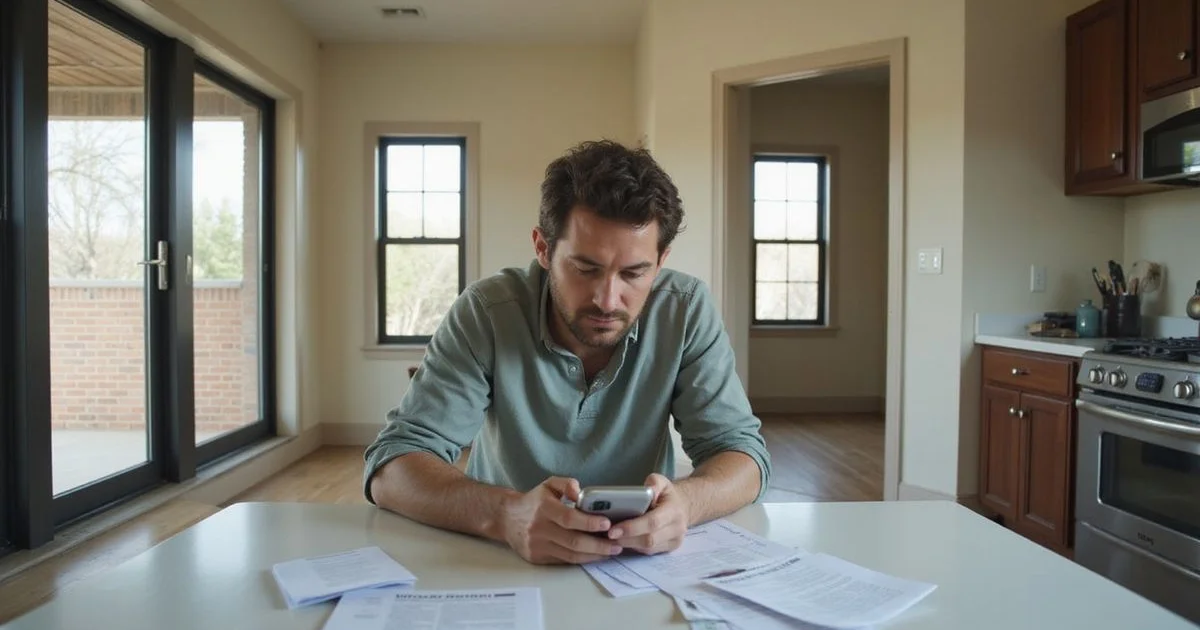
We know that securing temporary housing or corporate leases can be frustrating when paperwork hits a snag. An apartment denied deposit alternative situation feels like a massive roadblock, but it is usually a simple miscommunication.
Our team helps business owners and homeowners resolve these exact roadblocks every day. Finding a quick resolution saves you from wasting time and paying multiple application fees.
Let’s look at the data to understand why this happens.
We will then walk through the exact steps you can take to secure your lease.
First, find out which denial it was
You must first determine if the third-party provider rejected your application or if the property management simply marked the deposit alternative not accepted. A denial on the money-owed path comes in two distinct forms, and they require completely different fixes.
We always ask leasing offices to clarify who issued the rejection. There are two main sources of a denial:
- The provider declined to underwrite you. Companies like Rhino and Jetty recently joined forces to cover over 6 million US units. These third-party providers run your file and decide whether to issue coverage based on your personal risk profile. Another provider might reach a completely different conclusion.
- The property declined the structure. Your chosen community might accept alternatives generally but cap them for files with a specific flag, like an open balance. Reapplying to the same property will not change their internal policy.
Your Legal Right to Know
You should immediately ask the leasing office which specific denial occurred. They will usually provide a clear answer if you ask directly.
The Fair Credit Reporting Act (FCRA) requires strict transparency if a consumer report influenced the decision. You are legally entitled to an adverse action notice naming the reporting agency within 30 days of the rejection.

Why it happens more than you’d expect
Deposit alternatives are marketed as the flexible option. This marketing creates an assumption that they are always the easy route, but they frequently have strict hidden requirements.
We see these providers functioning as strict risk underwriters. Their software relies heavily on alternative data points like unpaid utility bills or short credit histories.
If your file shows an open rental debt, the provider’s automated model will likely decline it. This creates frustration in the precise situations where applicants most expect the product to help.
The Role of Hidden Property Requirements
Properties also layer their own undisclosed caps on top of the provider’s rules. For example, the average US apartment requires a gross income of 2.5 to 3 times the monthly rent.
A community might secretly demand a 650 credit score specifically to use the deposit alternative program. They might gladly accept a clean file using the alternative, but demand a doubled cash deposit for a flagged one.
These internal rules are rarely published on the property website, so calling the leasing office before applying is the best way to uncover them. Our pre-application screening process helps identify these obstacles early, removing the highly predictable denials.
What to do next, in order
Your immediate next step is to ask the leasing agent what alternative financial structures they will accept. This direct question provides the fastest route back into an active application.
We often find that properties will accept a doubled deposit or a deposit alternative combined with a guarantor. Sometimes the property will name a specific number, giving you a choice instead of a dead end.
Compare Your Financial Options
You need to price the alternative structures to make an informed decision. As of mid-2026, the national average rent sits around $1,750, making upfront cash demands substantial.
Here is a breakdown based on a $1,750 rent with a $500 quoted standard deposit:
| Structure | Total over 12 months | Comes back? |
|---|---|---|
| Doubled deposit | $1,000 | Yes |
| Last month up front | $2,250 | Applied to rent |
| Guarantor service | ~$1,300 | No |
| Doubled deposit + guarantor | ~$2,300 total, ~$1,300 net | Partly |
Stack a Second Path
The guarantor path is the most common companion strategy here. It addresses the property’s payment-risk concern from a completely different angle than a deposit does.
We recommend a personal cosigner first because it costs nothing. A commercial service like The Guarantors or Leap charges a non-refundable premium.
These corporate guarantor fees typically cost between 50% and 100% of one month’s rent.
Strengthen Your Documentation
You must make your financial stability highly visible to the leasing manager. If your business or personal income clears the required multiple comfortably, highlight it clearly.
Organized bank statements make a massive difference. You should provide properly downloaded PDF statements rather than casual phone screenshots.
Include a one-page summary and a formal payoff letter for any settled balances. This professional presentation turns a marginal file into a highly defensible one.
Request a Manual Review
An automated decline is simply a rigid software threshold crossing. Leasing managers frequently have the authority to look at a fuller file if someone asks politely.
We encourage applicants to make this request. It is a completely normal business practice rather than a special favor.

What we do when you tell us
We immediately adjust our structure recommendation based on the specific reason your file was declined. Most of these adjustments happen on the exact same day you notify us.
Our team takes action quickly because the rental market moves fast. High-demand corporate housing and transitional units can easily lease to someone else in under 48 hours.
Here is our standard response protocol:
- We re-verify availability on your remaining shortlist to ensure no time is wasted.
- We pull replacement properties managed by companies known to accept your specific financial structure.
- We review the pattern to see if your file requires a completely different application strategy.
Protecting Your Application Budget
This last point is critical for protecting your budget. US application fees currently average $40 to $75 per adult applicant.
If two properties in a row decline the same structure for the same reason, that indicates a clear signal about your file. Ignoring this pattern and applying randomly will only drain your bank account.
What a denial doesn’t doIt doesn’t follow you. There’s no shared blacklist of declined applicants across Tarrant County properties. Each application is screened fresh against that property’s criteria. What carries forward is the underlying record, which is why changing the structure matters more than changing the property.
The honest framing
We cannot guarantee the very next application will result in an approval. Property criteria vary wildly, they change without public notice, and screening software often dictates decisions the leasing office cannot override.
Our priority is making sure your next application is highly targeted. This focused strategy points your file at a property whose stated policy actually matches your unique situation.
We verify that the community accepts your proposed structure on a move-in date we can name. This targeted approach is a much better use of an application fee than guessing somewhere at random.
How You Can Help Us
To help us get started, please provide:
- The exact wording from your denial notice.
- The name of the screening agency if mentioned.
- Your preferred move-in date.
You must tell us exactly what the denial notice said to ensure our next search is highly accurate. If the property simply does not take these products, compare the alternatives in doubled deposit vs deposit alternative vs last month up front before you apply anywhere else.
Send us your adverse action notice or denial email today. Let’s map out a secure, confident path to your new lease.