The definition
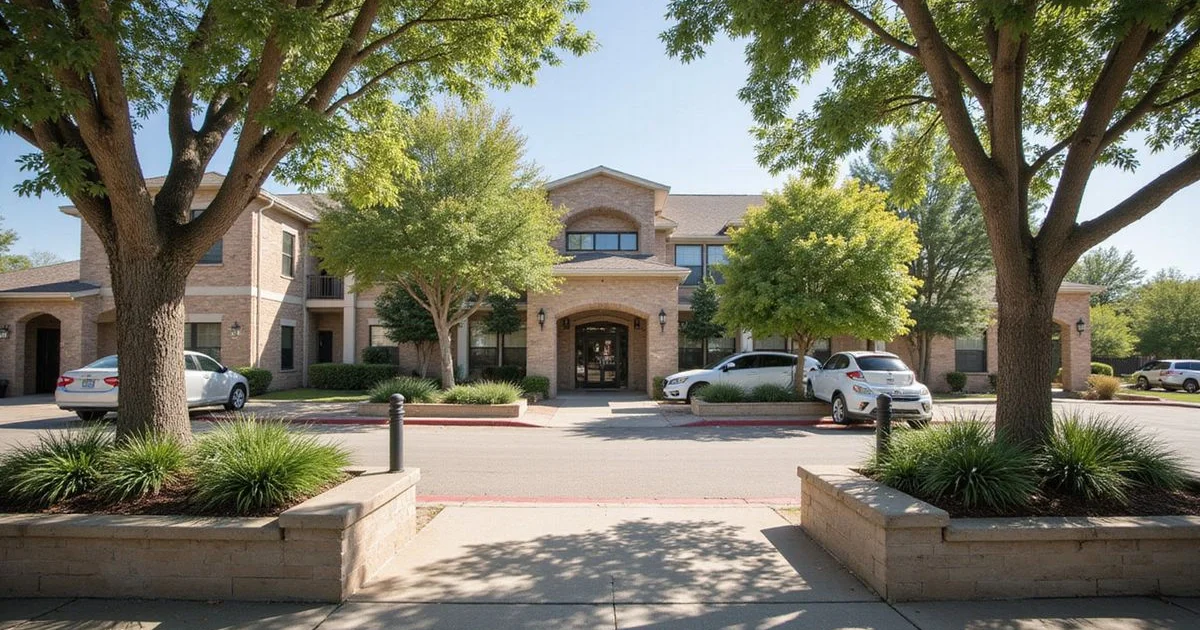
A lease-up is a newly delivered apartment community that hasn’t reached stabilized occupancy yet. Stabilized usually means somewhere around 90 to 95% leased. Until it hits that, it’s in lease-up.
That’s the whole term. What makes it worth understanding is what it does to the two things renters care about: price and approval.
Why price drops during fill
An empty unit generates nothing while the owner services construction debt. Every month of vacancy is a permanent loss — you can’t sell March twice.
So the arithmetic favours filling fast at a discount over waiting for full rent. Two months free on a fifteen-month lease is roughly a 13% discount, and it’s cheaper for the owner than eight months of an empty unit at full price.
That’s why concessions concentrate here and shrink as a property stabilizes. It has nothing to do with the building’s quality and everything to do with where it sits on its own fill curve.
Why approval gets easier
This is the part that’s less understood, and it needs stating carefully.
Criteria don’t drop. A lease-up community publishes an income multiple and a screening threshold like everyone else, and those are what they are.
Posture changes. With units to fill and a leasing team under absorption targets, there’s more willingness to look at a structure that makes a marginal file work — a guarantor, a higher deposit, a fuller documentation package — rather than decline and move on.
That’s a real difference, and it’s why renters with something on their record often do better at a brand-new community than at a stabilized one. Which is the opposite of what most people assume, since new usually reads as expensive and picky.
It is not a guarantee of anything. Criteria still apply, screening software still runs, and approvals still get declined.

Where the windows are in Fort Worth
North Fort Worth and Alliance, primarily. The $1.1B North City project at I-35W and North Tarrant Parkway plus continued Alliance delivery keep the north corridor in lease-up longest.
The market context matters here. As of Q1 2026, roughly 30,200 units were under construction metro-wide with starts falling sharply, about 7,300 to 7,500 delivered in the quarter against 8,500 absorbed (CoStar / Northmarq). The pipeline sits about 43% below its 2023 peak, and 2026 deliveries are forecast lowest since 2022.
Which means: the windows are abundant right now and visibly closing. Fewer deliveries in 2027 means fewer lease-ups, which means fewer concessions.
The trade-offs, honestly
Amenities may not be open. Units are typically finished; shared spaces frequently aren’t. A pool, gym, or lounge can open months after first move-ins. Ask what’s open today rather than what’s on the rendering.
Construction is ongoing. Later phases mean noise and equipment on site. It ends, but not necessarily before your lease does.
Landscaping is new. Cosmetic, but the difference between a mature community and a fresh one is noticeable.
The renewal step-up. Your concession discounts a gross number, and renewal is quoted against the gross. That’s the single biggest thing to budget for.
What to ask on the tour
When did the first residents move in? What percentage is leased today? When does the concession expire? Which amenities are open right now? Those four answers tell you where the property sits on its curve and whether the offer is real.
What to do first
- Ask for the delivery date and current occupancy. That’s the fill curve position, and it drives everything else.
- Convert the concession to effective rent over your actual term before comparing anything.
- Ask which approval structures they accept, particularly if your file has a flag.
- Budget for the renewal step-up before you sign year one.
Timing this well is less about the season than most people think — here’s how to read a property’s fill curve instead of the calendar, and the lease-up path covers the board we maintain.