The rule
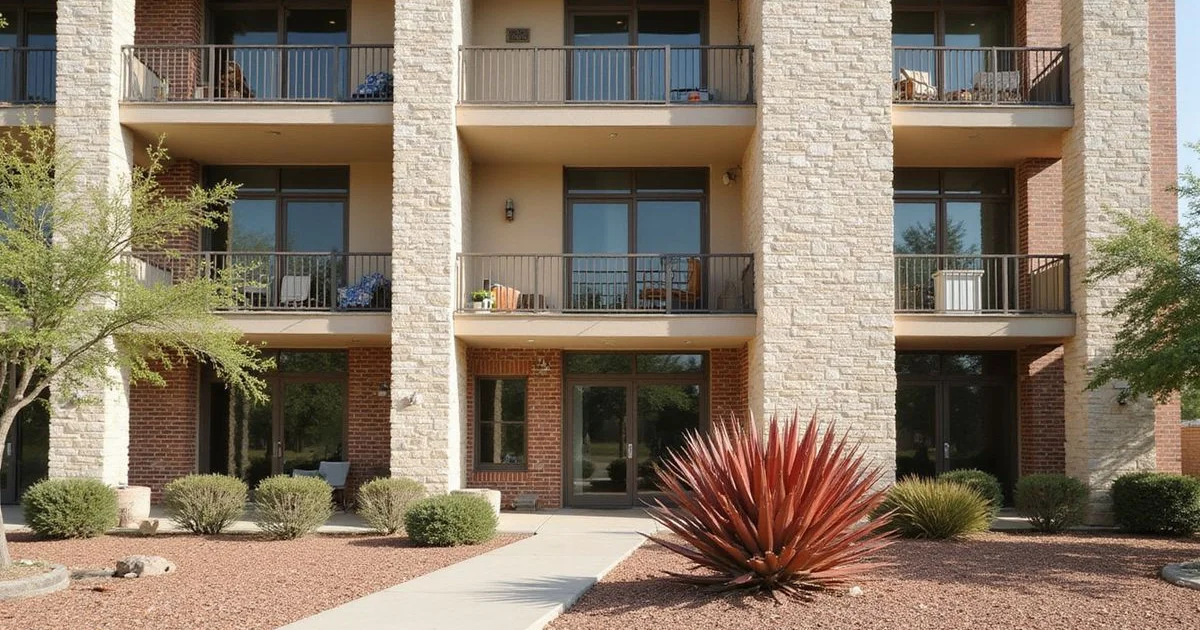
A community that delivered in March and is 60% leased in July beats a stabilized property in any month of the year.
That’s the whole idea. Seasonality in Fort Worth is delivery-driven, not calendar-driven, because the supply that creates a discount is new supply arriving — not a slower month for moving.

What the curve looks like
Every new community follows roughly the same shape:
Pre-leasing, before first move-ins. Offers exist to build a pipeline, but you’re signing for a unit you can’t stand in and a date that can move.
Early fill, roughly 0–40% leased. The deepest concessions. The leasing office is furthest from target and most motivated on both price and flexibility. This is the window.
Mid fill, roughly 40–70%. Still good. Concessions usually intact, sometimes trimmed. Amenities more likely to be open. This is the practical sweet spot for most renters.
Late fill, roughly 70–90%. Offers start shrinking. What’s left is often the less desirable floor plans, and the urgency is gone.
Stabilized, 90%+. Concessions largely disappear. It’s now a normal property.
The whole discount lives in the first two stages, and they’re the stages that are hardest to spot from a listing site.
How to read where a property sits
Three questions, and any leasing office will answer them:
“When did your first residents move in?” This is the delivery date, and it anchors everything.
“Roughly what percentage is leased right now?” Some will give you a number, some a range, some a vague answer. Even vague is informative.
“When does the current concession expire?” A short expiry on a deep concession usually means they’re pushing hard on a specific target.
From those three you can place the property on its curve within a reasonable margin. A March delivery at 60% in July is mid-fill and worth pursuing. A March delivery at 88% in July has almost run its window.
Why the calendar matters less than you’d think
The conventional advice is to rent in winter because demand drops. There’s something to it at stabilized properties — a January vacancy is harder to fill than a June one.
But the size of that effect is small next to the size of a lease-up concession. A stabilized property might shave a bit off in January. A community in early fill might give you two months free. Those aren’t in the same category.
And the delivery calendar doesn’t care about seasons. A property that delivers in October is in early fill in December, which is precisely when the conventional advice says nothing is happening.
The Fort Worth context right now
As of Q1 2026: roughly 30,200 units under construction metro-wide with starts falling sharply, about 7,300 to 7,500 delivered in the quarter against 8,500 absorbed (CoStar / Northmarq). The pipeline sits about 43% below its 2023 peak, and 2026 deliveries are forecast lowest since 2022.
Absorption running ahead of deliveries means fill curves are moving faster than they were. Windows that used to stay open for a year are closing sooner, and there will be fewer of them in 2027.
The part that matters for your timing
Don’t wait for a season. If you find a property in early-to-mid fill with an offer that works, the next comparable window may be months away rather than next quarter.
Tracking it properly
Our Lease-Up Board records, per Tarrant County property: delivery date, estimated occupancy, current concession and its expiration, income multiple, which approval paths are accepted, and the date we last confirmed it with the leasing office.
Anything older than 60 days comes off the board rather than sitting there looking current. And it can still be wrong between calls — if an offer is gone when you phone, tell us and we’ll re-verify and send replacements the same day.
What to do first
- Ask the three questions at every property you’re considering.
- Convert the concession to effective rent before comparing offers. See the effective rent math.
- Ignore the month. Focus on which properties are in early-to-mid fill right now.
- Ask us for the current board for your budget and commute — the lease-up path explains what’s on it.