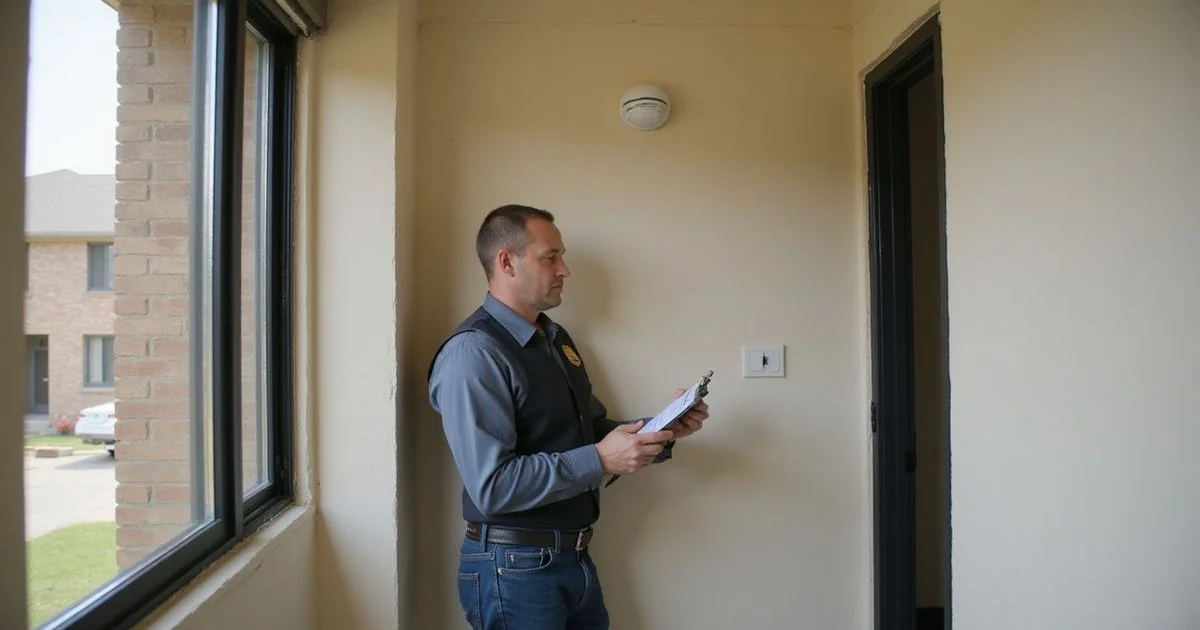
The wait is a real phase, so plan for it
Between choosing a unit and moving in, three things have to happen: the Request for Tenancy Approval goes in, the unit is inspected, and the contract is executed.
That window is where voucher searches most often lose momentum, because it feels like the work is done and it isn’t. The search clock is still running.

What actually happens
1. RTA submitted. The property completes the Request for Tenancy Approval and sends it to your authority — Fort Worth Housing Solutions, TCHAP, or Arlington Housing Authority.
2. Rent reasonableness reviewed. The authority checks the asking rent against comparable units. If it’s judged unreasonable, it has to be negotiated down or the unit doesn’t work.
3. Inspection scheduled. An inspector visits and checks the unit against housing quality standards.
4. Pass, or a fix list. If it passes, the contract is executed. If it fails, the property fixes the listed items and a re-inspection is scheduled.
5. Contract executed, lease starts.
On timing
Timing varies by authority and by season, and we’re not going to publish an average we can’t stand behind.
What we do instead: ask the property how their recent inspections have been running, tell you the window they give us, and attach the date they told us. That’s a real answer from the people who’ve actually been through it recently, rather than a number from a national article.
The holding question
Ask three things before you stop looking:
Will you hold this unit? Some properties will, some won’t, and a property with several applicants often won’t.
For how long? A two-week hold and an open-ended one are very different commitments.
Does it cost a holding deposit, and is it refundable if the inspection fails? Get this in writing. A non-refundable deposit on a unit that fails inspection is a bad outcome that’s entirely avoidable by asking.
If the property won’t hold, that’s not a reason to panic. It’s a reason to keep a second unit warm.
What to do during the wait
Keep a backup identified. Not because you expect failure. Because units get leased during a two-to-four week window and inspections occasionally add a re-inspection cycle. A verified second option costs you nothing and removes the worst version of this.
Get your documents ready for the lease signing. Photo ID, your voucher paperwork, income documentation, and whatever the property listed.
Line up utilities. Fort Worth is on the deregulated Oncor grid, so you choose your own electricity provider and you’ll need the ESID for the specific unit. Get it now rather than on move-in day.
Get renters insurance quoted. Most leases here require a policy with around $100,000 personal liability plus a certificate of insurance naming the property. Have it ready to issue.
Stay reachable. Inspections get scheduled at short notice and questions come from the authority. A missed call can add a week.
Common inspection failures
Smoke or carbon monoxide detectors missing or dead, a handrail loose or absent, a window that won’t latch, an outlet without a cover, chipping paint in older stock, or a water heater without a proper relief valve. Nearly all of it is small and fixable — it costs time, not the deal.
What we do during the wait
- Check in with the property on the RTA and inspection scheduling
- Keep your backup shortlist re-verified, so it doesn’t go stale
- Tell you honestly if the unit looks likely to fail on something visible
- Have replacements ready the same day if it falls through
What to do first
- Ask the property whether they’ll hold, for how long, and at what cost.
- Ask how their recent inspections have run, and write down the date they tell you.
- Ask us for a verified backup, and keep it warm.
- Get your ESID and insurance quote sorted while you wait.
For the full process from the start, see using a voucher in Fort Worth, and the voucher path covers how we run it alongside any screening flag on your file.