What you’re actually up against
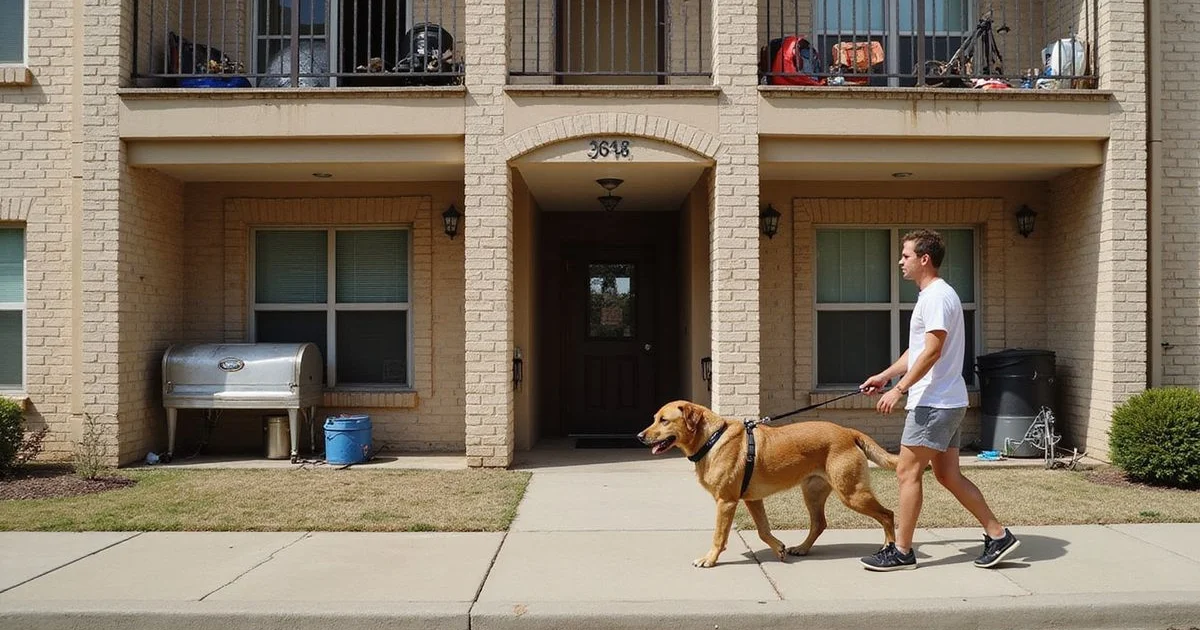
The pet-friendly path exists mostly for this situation, and the obstacle isn’t what people assume.
Not a law. Not a judgment about your dog. An insurance policy.
Most breed restrictions in Tarrant County originate with the property’s liability carrier rather than the management company. The City of Fort Worth has no breed-specific legislation and Texas law limits municipalities from enacting any, so nothing here is a legal barrier.
That’s genuinely good news, because insurance-driven policy varies enormously between operators — which means the answer is a shorter property list, not no list.

How policy gets enforced
At application. You declare the breed and weight. The property checks against its list and its weight cap.
Through documentation. Vet records typically state breed. Some properties ask for photos. Many now use PetScreening.com, which builds a reusable profile.
Occasionally through DNA testing. A small number of communities use pet DNA, mostly to enforce waste policy or to catch undeclared animals after move-in rather than to screen at application.
After move-in, if there’s an incident. This is where an undeclared dog becomes a serious problem.
Don’t understate the breed
We’d rather say this plainly: declaring a mix as something it visibly isn’t creates a lease violation waiting to be discovered.
The consequences are real — fines, a demand to remove the animal, or lease termination. And it burns whatever goodwill you’d otherwise have with a leasing office that might have worked with you.
An honest declaration to a community that accepts the breed is a routine approval. A dishonest one to a community that doesn’t is a problem in month four.
What to bring
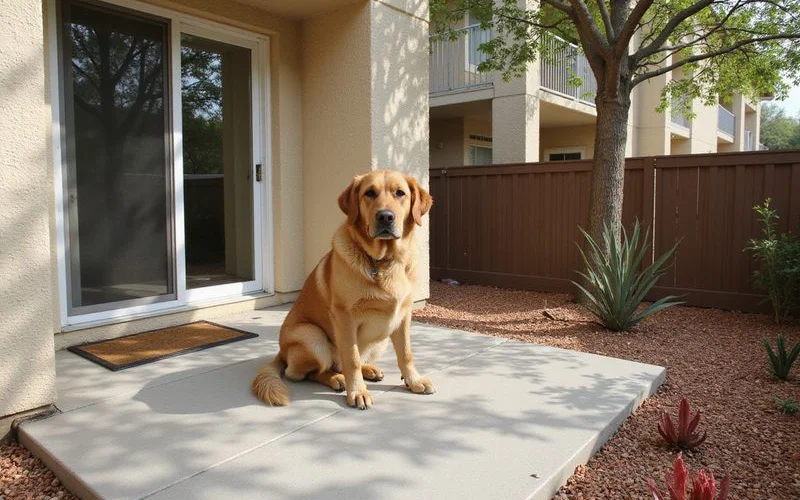
The packet that turns a hesitant conversation into a routine one:
- Current rabies and vaccination certificates. Non-negotiable at most properties.
- A vet reference. A short letter or a recent visit record. Temperament notes help.
- A previous landlord reference confirming no issues with the animal.
- Proof of spay or neuter, if applicable — some properties require it for larger dogs.
- Photos. Calm, well-groomed, in a home setting.
- A completed PetScreening profile if the property uses one.
- Renters insurance with animal liability, if you can get it. Some carriers exclude certain breeds; those that don’t are worth the premium here because it directly addresses the property’s actual concern.
That last one is the underrated move. The restriction exists because of liability. Arriving with liability coverage in place changes the conversation from “our insurer says no” to “let me check.”
Where to look
Communities with no restricted list. These exist across Tarrant County and they’re the primary target. Not concentrated in any particular area — it’s an operator decision.
Communities with weight caps but no breed list. Works if your dog is under the cap regardless of breed.
Ground-floor units. Frequently easier to get approved for a large dog, and better for you anyway.
Lease-ups in fill. More flexibility generally, including occasionally on pet policy.
When you’re carrying more than a dog
The filters compound. A renter with a restricted-breed dog and a balance owed needs a community that accepts both the animal and the approval structure. That’s a genuinely shorter list, and it’s where phone verification earns its keep — because two filters against stale listing data produces almost nothing usable.
We run both filters and total the costs together: pet charges plus approval structure, as one number for what moving in actually costs.
Assistance animals
Service animals under the ADA and assistance animals under fair housing rules are not pets. They’re handled through a reasonable accommodation process, which generally means breed restrictions, weight limits, and pet fees don’t apply, and properties may request the documentation the rules permit. We state that process factually and leave the specifics of your situation between you and the property.
What to do first
- Weigh the dog and know the honest breed or mix.
- Gather vaccination records and a vet reference now.
- Complete a PetScreening profile if you haven’t.
- Look into renters insurance with animal liability, and get a quote.
- Send us the dog’s details with your budget and areas. We’ll come back with communities that accept the breed, policy confirmed and dated, with pet charges totalled.
For the current list of no-restriction and no-weight-limit properties, start here.